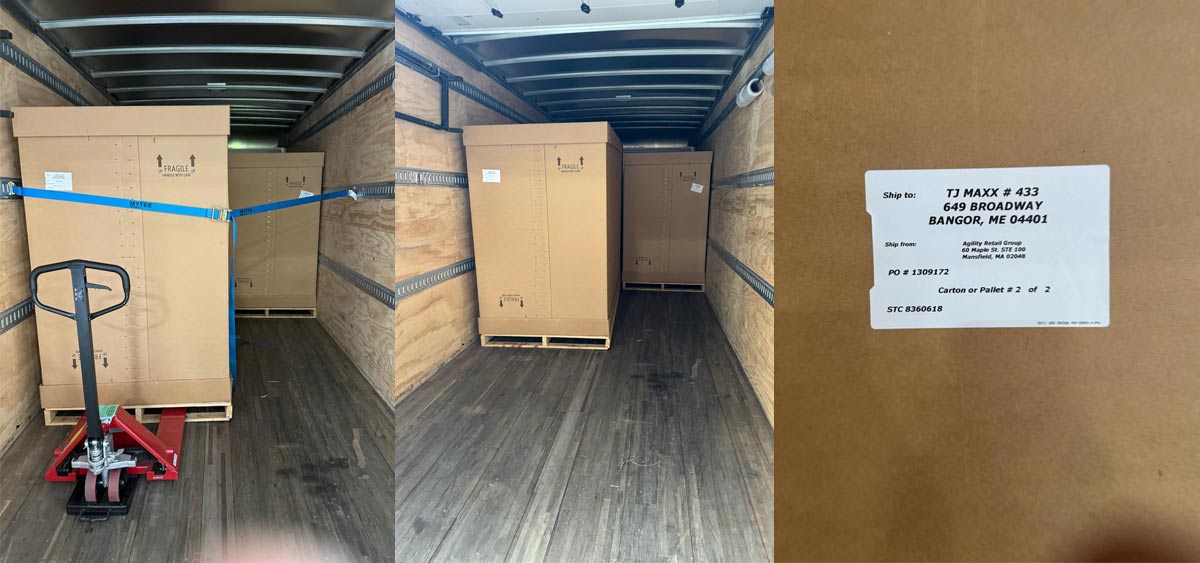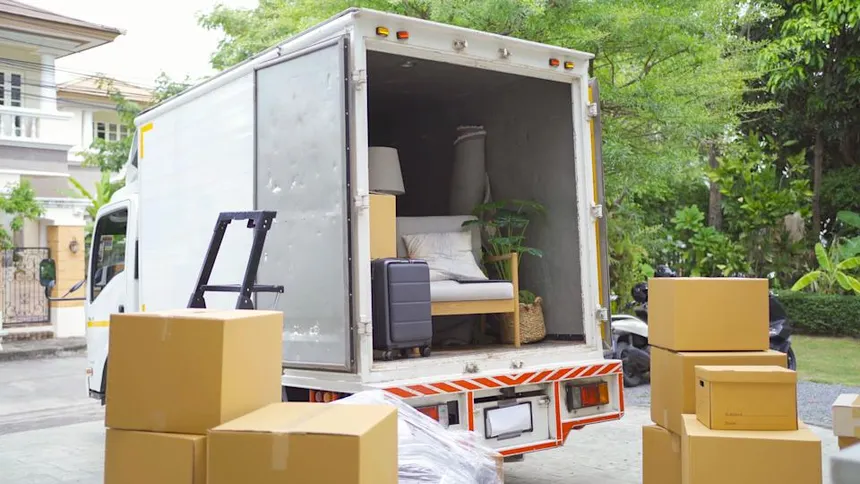
Moving heavy household appliances like refrigerators, washing machines, dryers, and ranges is one of the most physically demanding parts of any residential relocation. A standard double-door refrigerator can weigh over 300 pounds, while a washing machine contains heavy concrete counterweights that make it awkward to balance. Attempting to drag or tilt heavy appliances without proper equipment routinely leads to gouged hardwood floors, torn vinyl, scratched door frames, and personal injury. Following systematic preparation, disconnecting procedures, and heavy-lifting techniques ensures your move goes smoothly. Brother Movers delivers professional packing, residential moving, and heavy freight transport in Lawrence, MA.
Preparing and Defrosting Refrigerators and Freezers
Refrigerators require preparation at least 24 to 48 hours before moving day. Unplug the unit, remove all food items, and take out removable glass shelves and crisping drawers. Tape loose internal parts or pack them separately in cushioned boxes. Crucially, leave freezer doors propped open to allow ice buildup on evaporator coils to melt completely. Place towels at the base to catch water, and dry all interior surfaces thoroughly to prevent mold growth and foul odors during transit. Secure the exterior doors shut with soft moving straps rather than sticky tape that leaves residue.
Securing Washing Machine Drums and Water Lines
Washing machines require specific mechanical preparation to prevent internal damage during transit. Turn off water supply valves and disconnect hot and cold inlet hoses, draining remaining water into a bucket. Disconnect the drain hose and secure it to the back of the washer. Most importantly, install shipping bolts into the back of the washing machine. These bolts lock the inner wash tub firmly in place, preventing the internal suspension springs from snapping as the truck travels over bumps.
Protecting Flooring with Hardboard and Appliance Dollies
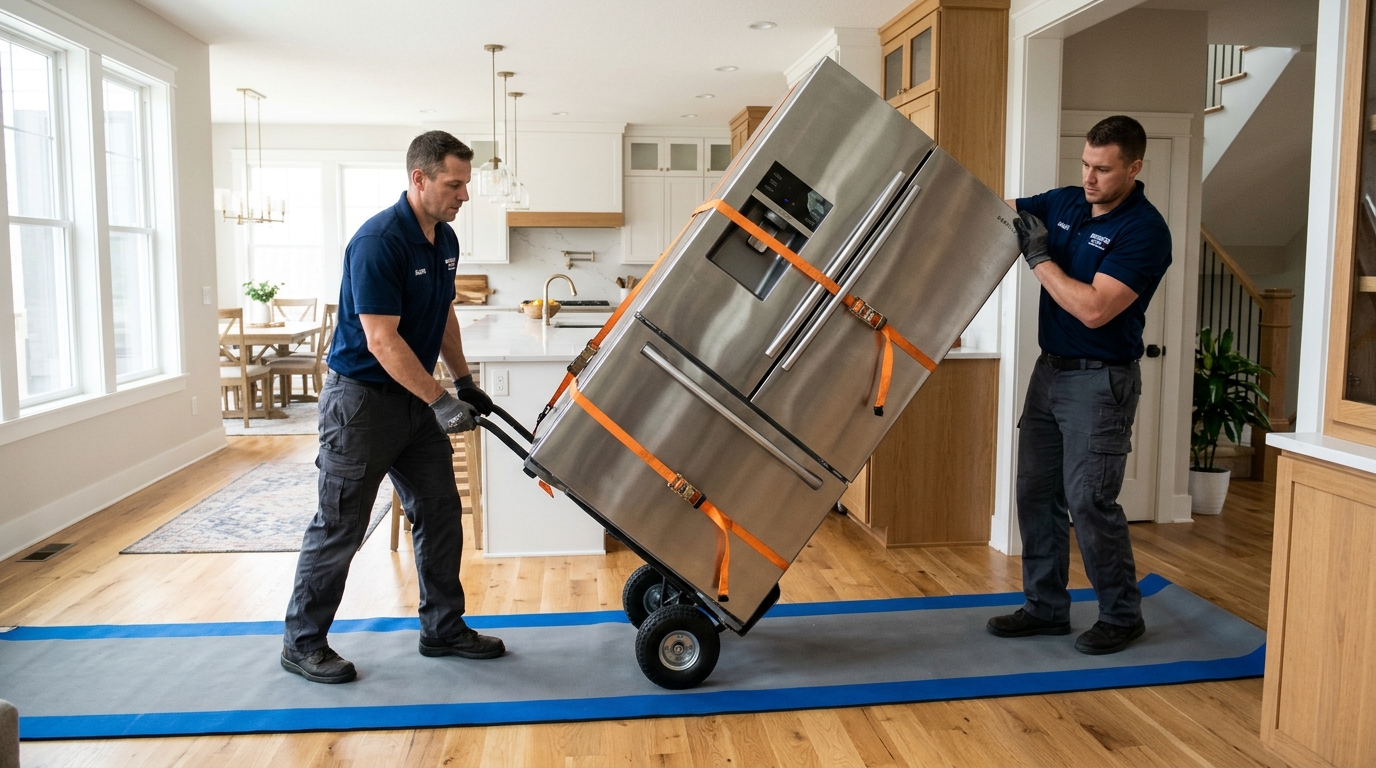
Dragging an appliance directly across kitchen floors will instantly ruin hardwood, laminate, or linoleum. Protect floor surfaces by laying down hard Masonite sheets, thick floor runner pads, or heavy plastic slider tracks along the entire exit path. When loading appliances onto a two-wheeled appliance dolly, always tilt the appliance back from its solid base, securing it to the dolly frame with heavy-duty ratchet straps. Never push against appliance doors, plastic handles, or exposed rear cooling coils.
Navigating Tight Hallways, Doorways, and Moving Ramps
Before moving an appliance out of the kitchen, measure the width of all doorways, hallways, and stairwells along the exit route. If clearances are tight, take off interior doors at the hinges to gain precious inches of clearance. When moving down outdoor steps or up moving truck ramps, always position two movers below the dolly to control speed while one mover guides from above. Keep appliances tilted at a stable angle to maintain balance and control.
Avoiding Physical Injury and Property Loss
Attempting to lift heavy appliances without proper lifting technique causes back injuries, pulled muscles, and dropped equipment. Using professional moving straps, heavy-duty dollies, and teamwork ensures weight is distributed safely. Protecting house walls and door frames with padded blankets eliminates expensive property repair bills after move day.
Moving heavy equipment requires proper tools, clear exit planning, and experienced manpower. If you are planning a move in Essex County or need help loading heavy items, let the professional team at Brother Movers handle the heavy lifting. Contact us at (978) 767-1423 or email info@brothermovers.co to request a free moving quote today.